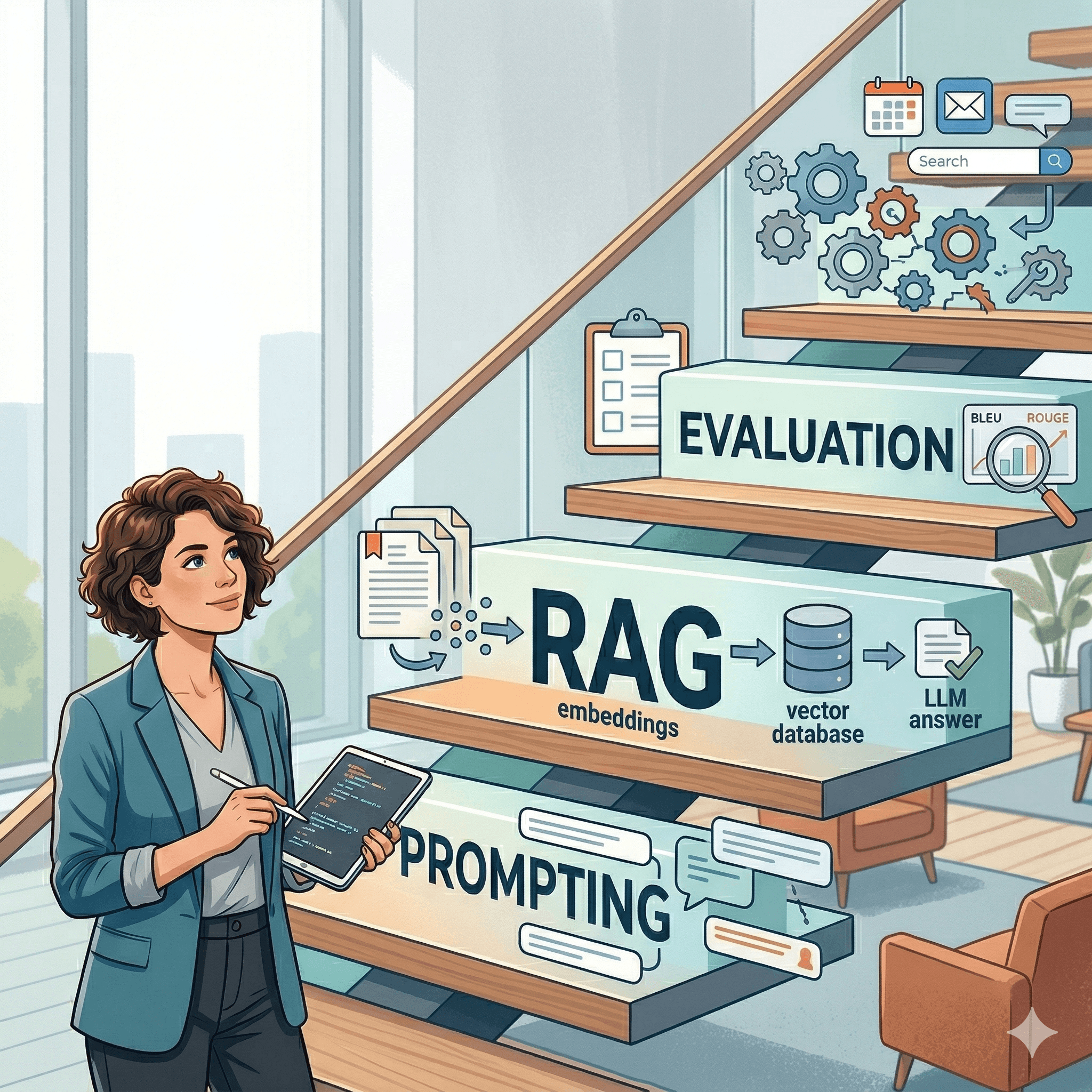



The data science role isn't going away. It's being renegotiated.
AI is changing what gets automated, what gets valued, and what is expected. If you look at what's actually happening versus what's being predicted, the picture is more nuanced and honestly more interesting than the headlines suggest.
In this post, we'll look at where AI is genuinely adding value for data teams, where it's still unreliable, which parts of the workflow are changing fastest, and what it takes to build a durable career in this field today.
Are data science jobs going away? Or is the role evolving?
Just like we’ve seen with the evolution of the DS role over the last couple of decades, the role is not going away, but it will continue to evolve.
I remember in 2015 when the analytics team I was on started using Adobe Analytics. I was scared. All of a sudden, queries that were difficult to write and took forever to run were replaced by a point-and-click dashboard that took seconds to give us results.
The result was no headcount lost; we were now able to focus on higher-value questions and deliver even more to the business. I believe we’re seeing the same, but on steroids.
We have seen headlines about a reduction in headcount due to AI, but we’re already starting to see some companies change their tune and start hiring again. I think many companies will experiment with reducing headcount, but will then realize that the goal was never to get the bare minimum amount of analytics needed to keep the business running.
Cost-cutting leads to performing at the status quo. After the dust settles, the role will see more of a change in how we spend our time as data scientists, and we’ll be responsible for more of the pipeline than ever before. But there are always more models to build, interesting problems to solve, and new data that needs to be explored with a savvy data eye.
Where is AI adding the most value for data teams right now?
AI is adding so much value for data scientists who are actually performing the role.
Remember several years ago when we heard “data science unicorns don’t exist”? A “unicorn” was referring to the data scientist who had the trifecta of solid math/stat skills, programming skills, and great business acumen. AI can get you closer to unicorn status.
There’s always been a gap or stigma around a technical person’s ability to work effectively with the business. Now, your email communications, what you focus on in presentations, and how you position yourself can have more of the business “polish” that we’ve previously struggled with. This can be a superpower.
Additionally, AI can help with so many other aspects of the job. We’ve always used StackOverflow and the docs for help with our code, but AI can help us find answers faster.
I want to add a disclaimer that sometimes AI is not up to date on recent API changes or new library versions, but that is part of the job security.
In general, using AI for prototyping is faster, and AI can recommend other ways you might want to look at your analysis that you might not have thought of. In the end, we’re still the ones evaluating whether those suggestions are worth exploring or valuable.
Documentation of our projects has often been lacking. I once started a new job, and someone chuckled when I asked for documentation on a project I was taking over. Creating documentation is now easier. And the bonus is that you’ll look so put together with less effort! This is actually one of the easiest things you can add to your workflow now that will benefit yourself and others.
A few more ways AI can add value:
Code review and explanation. AI is genuinely useful for reviewing your own code, catching edge cases, and explaining code you've inherited. There’s now less of a chance you’ll hand off your code with a rookie mistake in it.
Exploratory data analysis. Ydata-profiling (previously pandas-profiling) was a game-changer when it first came out, making it easy to get summary statistics, distributions, correlations, and missing values. Now with AI, we can get meaningful interpretations of EDA output, rather than just the plots and data. AI can help us interpret what it means in context.
Where is AI still unreliable or risky in data science work?
I’ve worked on projects where AI has sent me in circles. Once it even suggested creating a new developer account (the ol’ turn it off and turn it back on approach).
You need to understand when AI is not being helpful and know when it’s time to seek out the docs. Sometimes information is blatantly incorrect or incomplete, meaning you’ll need enough domain knowledge to question the results.
Frankly, I like that this keeps me on my toes, pushes me to be thorough in my research, and reminds me that I still need to know my domain to be effective. This also means that AI is not going to be a full substitute for taking structured courses where the information has been fully vetted. AI is much more helpful when used as a sounding board or for additional ideas, rather than expecting it to bring you from zero to analyst or data scientist.
Which parts of the data science workflow will be most automated in the next 1–2 years?
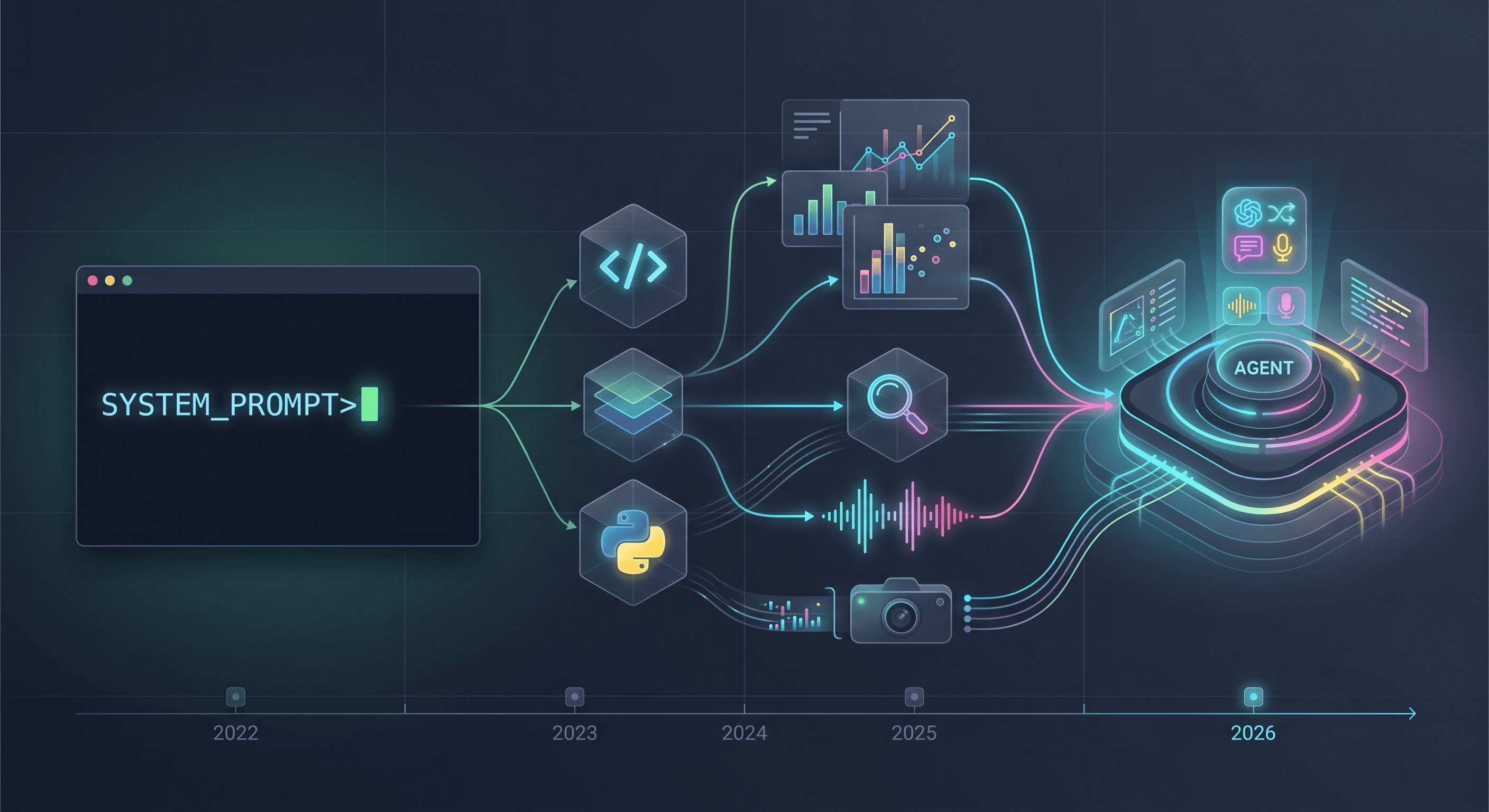
Automation in the data science workflow isn't new. Tools like ydata-profiling, AutoML, and sklearn were streamlining parts of the pipeline long before AI came along. The difference is that previously, tools sped up tasks for people who already knew what they were doing. Now, AI can assist across most stages of the workflow.
Data cleaning and preparation, feature engineering, model selection, and report/dashboard generation are the most automated by AI right now. Deployment and monitoring are getting there. Problem framing and stakeholder communication are not.
This changes what companies are going to expect from a junior analyst. That's a more disruptive change than any tool streamlining by AI. We’re going to be expected to solve for more. This means analysts will be expected to own more of the end-to-end workflow, move faster from question to insight, and communicate findings without leaning on a senior to translate.
The automation that’s coming in the next 1-2 years will be incremental on what we’re already seeing. As agentic workflows mature in the next 3-5 years, the impact on roles will be hard to ignore, but again, the roles aren’t going away.
What are the skills that AI won’t replace (and may make more valuable)?
What isn't going to be automated (and where the expectations will rise) is the judgment layer: looking for causal relationships around what’s actually driving outcomes, understanding the business context that determines whether a model is useful, recognizing when data limitations or bias make a result misleading, deciding whether a model is trustworthy enough to roll out, and translating results into recommendations that influence decisions.
The value of a data scientist isn’t just producing outputs; it’s knowing which outputs matter and how much confidence to place in them. These are the places where automation still struggles, because they depend on domain knowledge and experience with how systems behave in the real world.
Everything mentioned above is after the problem has already been defined. I’m also thinking about a Data Scientist’s ability to ask the right question of a soon-to-be prioritized project, challenge a scope to avoid over-engineering, work with a stakeholder to better understand the target variable, or reframe what the business is actually trying to solve before diving in.
The ability to communicate uncertainty, tradeoffs, and risk in a way that helps stakeholders act is still very human. We’ll be using our reclaimed time to get closer to the business, not just doing the same tasks faster with better tools.
What should I learn first: SQL, Python, statistics, or AI tools?
You should be using AI tools today. They’ll even help as you learn the other topics. Just be wary of leaning on them too heavily for output you don’t understand.
For someone completely new to data, learn SQL first. It's the most universally required skill across data roles, it's a skill you can learn relatively quickly, and it will make you useful faster than anything else on this list. If you can query a database, filter, aggregate, and join tables, you can answer real business questions, and a hiring manager will be looking for this in an interview. If you lean on AI-generated SQL too heavily, you’ll run into problems when a root cause analysis becomes necessary or a stakeholder questions your results.
Python second. It has become the default language for data work, machine learning, and AI development. You don't need to be a software engineer, but you need to be comfortable enough to manipulate data, build models, and work with APIs.
Statistics alongside Python, not after. You don't need a graduate degree in statistics, but you need to understand distributions, hypothesis testing, and your model output. Statistics is foundational for understanding if you should trust your results.
What does an “AI-ready” data professional look like in 2026?
Being AI-ready in 2026 is about knowing how to work with AI effectively and recognizing when it's leading you astray. The baseline is comfort with AI-assisted coding, the ability to write a clear prompt, and the judgment to validate output rather than blindly trusting it.
The behaviors matter more than the specific tools. Data Scientists using AI effectively treat it like a fast but occasionally overconfident peer, useful for a first pass, but not someone you leave decisions up to. They document their work because AI makes that easy, and there's no excuse not to anymore.
AI-ready data people close the loop with the business because AI handles more of the technical execution. This frees up time to understand the problem better and stay curious about what's changing, without chasing every shiny new tool.
What “good” looks like in practice is someone who uses AI to move faster without lowering their standards. They ask better questions, catch issues earlier, and spend more time validating assumptions instead of writing boilerplate code.
The practitioners who stand out in 2026 aren’t the ones who’ve automated the most; they’re the ones who’ve used that leverage to deliver better answers to harder questions.
The 90-day roadmap: how to become AI-ready (and how to practice effectively)
Looking to become "AI-ready" in 2026? Start here:
Days 1–30: Audit and integrate
Start with the tool you’re already using. The goal in the first month isn't to learn new tools; it's to weave AI into your existing workflow and get an honest read on where it helps and where it doesn't.
Use AI for every piece of documentation you write. Use it to explain code you didn't write and to generate first drafts of code you would have written anyway. Use it to polish stakeholder communications before you send them.
At the end of 30 days, you should have a clear sense of where AI is saving you real time and where it's sending you in circles.
Days 31–60: Go deeper into one area
Pick the part of your workflow where AI added the most value in month one and go deeper. If it’s coding, try working with an agentic coding tool like Claude Code or Cursor on a real project. If it’s an analysis, experiment with AI on a dataset you know well so you can recognize when it’s wrong.
Practicing on unfamiliar data makes it hard to differentiate between a good output and a confident mistake. This stage is about learning where AI breaks, how to debug its output, and how to steer it toward something useful.
Days 61–90: Build something and show it
Spend the last month completing a small end-to-end project that demonstrates AI-assisted work, a cleaner pipeline, a faster analysis, and a better-documented model.
It doesn't have to be impressive in scope. It has to be real and shareable. Put it on GitHub, write a short LinkedIn post about what you learned, and make sure you get a chance to mention it in your next 1-on-1 with your boss. Being AI-ready is important; letting others know you’re AI-ready? Also important.
How to build a durable data career over the next 5–10 years
The data roles with the longest runways are the ones closest to decisions that matter. If your work is regularly influencing something a business leader actually acts on, you're in a good position. If your work mostly feeds a dashboard nobody questions, take note.
Avoiding dead ends comes down to a couple of questions: is this role making me better at understanding business problems, or just better at executing technical tasks?
Both matter early in a career, but over a five to ten-year horizon, the practitioners who stay relevant are those who can move between the technical and the strategic.
Are data people in the room when decisions get made, or are they called in afterward to validate a conclusion someone has already reached? The answers tell you whether you're building the right skills and getting the visibility that you want. You want to be in the room.
In interviews, I like to ask the interviewer about the project scoping phase. The amount of involvement data scientists have here gives me real insight into whether I’m a creative problem solver or a follower.
I’ve found that when I’m not empowered to have a big part in scoping the problem, I’m not set up for success. I can miss the mark, and it’s because I didn’t have the opportunity to hear the full context.
Of course, this all depends on where you are in your journey. If this is your first-ever data job, it’s great to be in the room when they’re scoping projects, but you absolutely want someone with more experience doing the talking, so that you can learn from them.
FAQs: Future of data jobs in the age of AI
Will AI replace data scientists?
Not replace, it’ll reshape the role. The demand for people who can frame problems, interpret results, and connect data work to business decisions isn't going away. What's shrinking is demand for purely execution-focused roles that don't require judgment.
What data jobs are most at risk from AI?
Roles that involve a lot of repetitive execution are the most at risk. Things like basic reporting, routine SQL querying, and manual data cleaning. These tasks are increasingly easy for AI to assist with or generate directly, meaning the role shifts toward interpretation and decision support rather than just producing outputs. If your role has been mostly making light edits to previously written SQL queries to then pass that output off to someone else, that’s not a great position to be in right now.
Do I need to learn machine learning to stay relevant?
It depends on the role you're in or the role you want. If you're in a data analyst or analytics engineering role, deep ML knowledge isn't a requirement, but understanding how models work, what they can and can't do, and how to evaluate their outputs is. You'll be working alongside ML systems, whether you build them or not.
If you're in a data science or ML engineering role, yes. Not just how to train a model, but how to deploy it, monitor it, and know when it's failing. The bar has moved from being able to build models to being able to operationalize them.
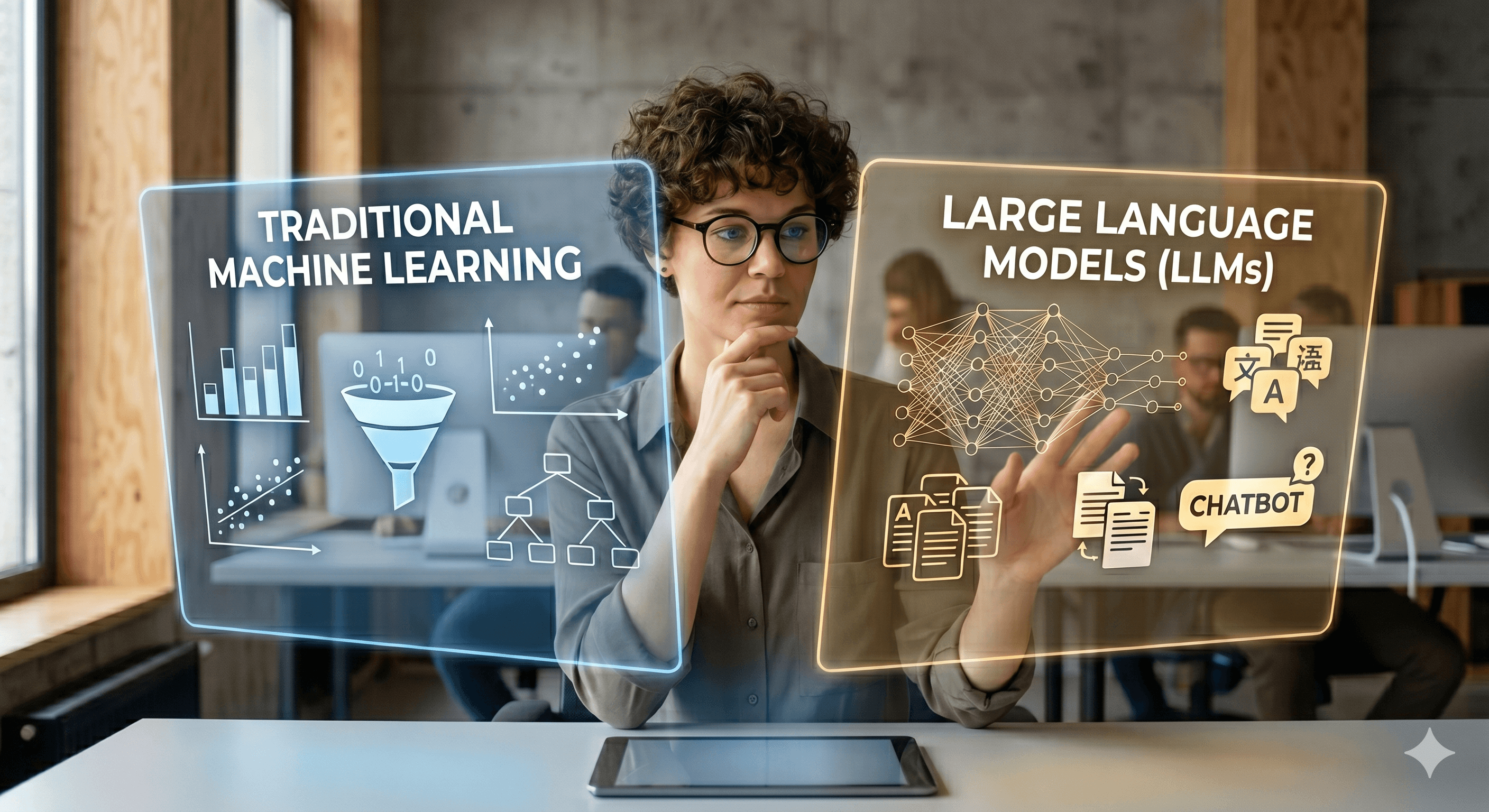
What's changed is that AI tools can now generate model code quickly. That makes the surface of machine learning more accessible, but it also raises the stakes of working with it. If you can't evaluate whether a model is appropriate for a problem, interpret its outputs critically, or explain its behavior to a stakeholder, the tool doesn't help you; it just helps you produce wrong answers faster.
How do I show AI-ready skills on my resume/portfolio?
GitHub is still the best portfolio signal for data science roles. Build something, document it well, put it on your GitHub and share it on LinkedIn.
A project that solves a real problem tells a better story than a list of certifications. If you're tight on resume space, list the skill you leveraged and link to your GitHub rather than trying to describe every project inline. Use your GitHub readme to explain the problem you solved, why it matters, and what it demonstrates about your skills. Your resume likely won’t have room for all of that context.
When reaching out to a hiring manager on LinkedIn, you might be able to work in how your project relates to the skills on the job posting.


Kristen Kehrer
Data Science & AI Expert
I love building coding demos and educating others around topics in AI and machine learning. This past year I've leveraged computer vision to build things like a school bus detector that I use during the school year to get my kids on the bus. I've most recently been playing with semantic video search, vector databases, and building simple chatbots using OpenAI and LangChain.